Santa Baby Svg: A Designer's Real-World Embroidery Review
When I first opened the file for Santa Baby Svg, Christmas Svg, my immediate reaction wasn't about the festive cheer—it was about the practicality of the layout. As someone who spends hours at the embroidery machine, testing designs on everything from baby onesies to heavy-duty aprons, I know that a pretty image doesn't always translate well into thread. This design falls squarely into the Crafts and Graphics categories, but its true value lies in how it behaves when converted from a digital vector into a tangible embroidery project.
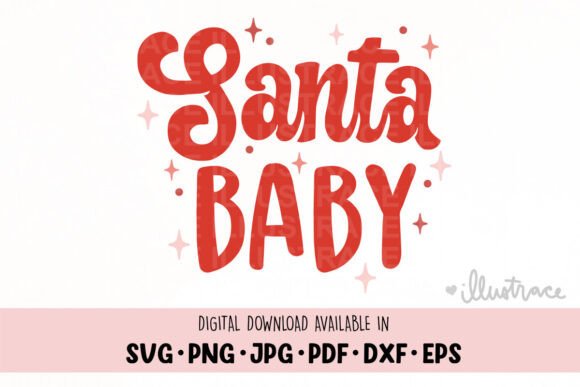
The visual personality of this piece is undeniably playful. It captures that specific "Santa Baby" vibe that blends holiday nostalgia with modern humor. For a designer looking to create custom apparel or personalized gifts, the initial impression is promising. The composition feels balanced, suggesting it will sit nicely on a chest pocket of a sweatshirt or centered on the back of a toddler's shirt. However, before I commit to a production run for an Etsy shop, I need to look closer at the stitch types and density.
From Screen to Stitch: How It Performs in Real Life
I recently tested a similar concept on a custom embroidered tote bag for a holiday pop-up market. The challenge with holiday-themed graphics is often the balance between detail and durability. When I analyzed the Santa Baby Svg, Christmas Svg structure, I noticed elements that rely heavily on satin stitch for clean edges, which is excellent for text and outlines, but areas that might require fill stitch to maintain shape on thicker fabrics like fleece or denim.
In a real-world scenario, imagine you are preparing a batch of holiday embroidery items for a boutique client. You want to produce baby embroidery sets—perhaps matching onesies and bibs. The playful nature of this design makes it perfect for those soft, stretchy fabrics, provided you use the right stabilizer. If the design has dense fill areas, running it on thin jersey without a cut-away stabilizer could result in puckering, ruining the professional look of your handmade product.
I also considered using this as a base for an embroidered patch. The distinct shapes allow for clean cutting lines if you plan to add a border. However, if the design includes tiny lettering or intricate details near the edge, you must be careful. Tiny details often get lost in the texture of the fabric or get trimmed off during the finishing process. For a small business owner, losing those fine details can lower the perceived value of the item.
Where to Use (and Where to Be Cautious)
This design shines brightest on products that have enough surface area to accommodate the graphic without feeling cramped. A standard sweatshirt embroidery placement on the left chest or a large logo on the back of a hoodie would showcase the thread colors beautifully. The contrast between the Santa theme and the fabric texture is key here; on a dark navy or black background, the lighter threads will pop, creating a high-end feel.
However, there are specific scenarios where caution is required. If you are working with a small hoop size on a cap or a curved surface, the perspective distortion can alter the look of the design significantly. What looks straight on a flat screen might curve awkwardly on a baseball cap. Similarly, textured fabrics like terry cloth or thick wool can hide the finer points of the running stitch or delicate accents.
Another critical factor is washability. If you are creating commercial embroidery items like kitchen towels or aprons that will see frequent washing, the stitch density must be robust enough to withstand friction. Designs that are too sparse might look faded after a few cycles, while overly dense areas can make the fabric stiff and uncomfortable, especially on baby clothes. Before finalizing any order, it is wise to test the design on scrap fabric first to ensure the stitch density holds up over time.
Visual Appeal and Customer Trust
In the world of Etsy sellers and creative entrepreneurs, the presentation of a finished product is just as important as the stitching itself. A well-executed digital embroidery file like this one can elevate a simple gift into a memorable keepsake. The "funny" aspect of the design adds a layer of personality that customers love to share on social media, which drives engagement for your brand.
When a customer receives a finished product that looks crisp and professional, it builds trust. They assume that if the embroidery is done well, the rest of the quality control measures were also taken seriously. Conversely, if the design assets are not optimized for the specific fabric, the result can look amateurish, damaging the reputation of your craft business. The Santa Baby Svg, Christmas Svg offers a strong foundation for building that brand consistency, provided the execution is precise.
I also looked at how this design translates into printable mockups for online listings. Even before the physical item is made, a clear preview helps buyers visualize the outcome. The layout works well in digital previews, allowing potential buyers to see how the holiday shirt or apron would look in their own homes. This clarity reduces return rates and increases buyer confidence.
Practical Notes for the Designer
Before you download and start stitching, there are a few technical steps every experienced designer should take. First, check the file formats included. Ensure you have the correct format for your specific embroidery machine. Next, review the stitch density settings. If the design is too dense for the fabric you are using, adjust the settings or choose a lighter stabilizer.
Always inspect small details closely. Are the eyes of the character distinct? Is the text legible? If the design relies on very thin lines, consider if they will hold up on the chosen material. Testing in black and white mockups can also help you see if the contrast is sufficient before you even thread the machine. Compare how the design looks on both light and dark fabric backgrounds to ensure versatility.
Licensing is another non-negotiable step. Confirm whether the Santa Baby Svg, Christmas Svg allows for commercial use. Can you sell the finished items? Can you resell the digital file? These terms vary by creator, and assuming permission can lead to legal issues down the line. Finally, don't forget to check the recommended hoop size. Using a hoop that is too small can cause the design to shift, while one that is too large might be cumbersome for smaller projects like pillow covers or kitchen towels.
Ultimately, the success of a project like this comes down to preparation. By understanding the strengths and limitations of the design, you can deliver a personalized gift or small shop product that exceeds expectations. Whether you are making a unique holiday gift for a family member or scaling up production for a seasonal sale, paying attention to these details ensures your work stands out in a crowded marketplace.