Egg Svg Embroidery Review: A Designer's Real-World Test
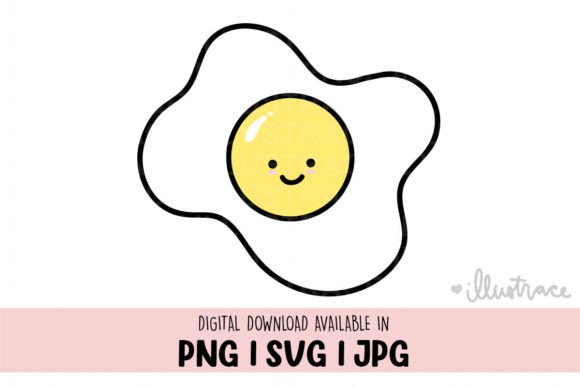
When I first opened the Egg Svg file to prepare it for a client project, my immediate reaction was one of quiet appreciation. As an experienced designer who reviews countless graphics and embroidery files weekly, I often find myself searching for that perfect balance between simplicity and character. This design doesn't scream for attention; instead, it whispers with confidence. It creates a mood that is gentle, welcoming, and undeniably versatile, making it feel like a natural fit for spring collections, nursery decor, or even subtle branding for a boutique bakery.
The visual personality of this shape is clean and uncluttered. Unlike many complex illustrations that lose their detail when converted into thread, the Egg Svg maintains its integrity. The curves are smooth, suggesting a design that will stitch up beautifully without creating excessive bulk or distortion. For a craft business owner or an Etsy seller looking to expand their product line, this is the kind of asset that promises consistency across different finished products.
From Digital File to Finished Tote Bag
I recently decided to test this design in a real-world scenario before recommending it broadly. My goal was to create a custom embroidered tote bag for a local artisan market. I wanted something that would appeal to a wide audience without being too specific to a single holiday. The Egg Svg offered exactly that neutrality while still carrying a thematic weight suitable for spring, Easter, or even general "new beginnings" themes.
I selected a heavy-duty canvas tote as my base. When I loaded the design into my digitizing software, I noticed how the pathing looked on screen. It translated well into machine embroidery terms. I opted for a satin stitch outline to give the egg a defined edge, which helps prevent fraying on the fabric. The fill area was set to a high-density pattern to ensure full coverage, but I had to be careful not to over-stitch, as eggs are naturally soft shapes that shouldn't look stiff.
The result on the finished product was impressive. The stitching lay flat against the canvas, and the simple silhouette allowed the texture of the fabric to show through slightly, adding a tactile dimension that customers love. It wasn't just a sticker applied to cloth; it felt integrated into the material. This level of quality is crucial for handmade products where the perceived value depends heavily on the craftsmanship of the finish.
Where Egg Svg Shines in Custom Apparel
Beyond bags, this design has potential across a wide range of custom apparel. Imagine a sweatshirt embroidery project for a family gathering. The rounded shape of the egg works exceptionally well on the chest area of a pullover or centered on the back of a hoodie. Because the design is relatively compact, it avoids the common pitfall of looking lost on large garments or overwhelming small ones.
I also considered using it for baby embroidery projects. The soft, organic lines are perfect for infant clothing, onesies, or burp cloths. Parents appreciate designs that are cute but not overly busy. An embroidered patch featuring the Egg Svg could be a charming addition to a baby's first Easter outfit. Similarly, for kitchen towels or aprons, this graphic adds a touch of seasonal charm without dominating the entire piece. It serves as a focal point that invites conversation rather than shouting for it.
In the realm of digital product sellers, this file is a goldmine. You can use the original vector for printable mockups, allowing buyers to visualize the design on various backgrounds before purchasing. Whether you are selling digital art or physical goods, having a clean source file like this ensures your promotional images look professional and sharp.
Critical Considerations for Stitching Success
While the design is promising, there are specific scenarios where caution is required. Not every fabric behaves the same way under the needle. If you plan to use the Egg Svg on stretchy fabrics like jersey knit t-shirts, you must use a proper stabilizer to prevent puckering. The density of the stitches needs to be balanced carefully; too much tension on a stretchy material will cause the fabric to gather around the design, ruining the smooth curve of the egg.
Texture is another factor to watch. On highly textured fabrics like boucle wool or thick fleece, the fine details of the design might get lost. In these cases, the design might need to be scaled up slightly to ensure the stitch definition remains visible. Conversely, if you attempt to embroider this on very thin fabric without adequate backing, the design could pull the material out of alignment.
Curved surfaces present their own challenges. While a cap or hat is a popular item for small shop products, placing a large, detailed design on the front panel requires precision. The curvature of the hat can distort the circular nature of the egg if the hoop size isn't adjusted correctly. I recommend testing the design on a scrap piece of the same fabric first to see how the curvature affects the final look. Additionally, if you are planning to wash these items frequently, such as tea towels or work aprons, ensure your stitch density is high enough to withstand friction without pilling or fading.
Technical Notes for the Professional Designer
Before committing to a full production run, always review the stitch density and confirm the hoop size requirements. Although the product description mentions high-quality digital files, it does not specify exact stitch counts or file formats compatible with every machine. You should verify whether the file includes the necessary layers for applique designs or if it is intended solely for standard satin and fill stitches.
Thread color contrast plays a massive role in visual appeal. A light-colored egg on a dark background requires a different approach than a dark egg on white. I suggest testing your design in black and white mockups to ensure the silhouette holds up regardless of the thread choice. This step is vital for maintaining brand consistency across your product line.
Licensing is another critical area. Before selling finished items or digital products, confirm the license terms provided with the download. Some files allow commercial use, while others restrict you to personal projects only. Using a design commercially without the proper rights can lead to serious legal issues for your craft business.
Final Thoughts on Design Value
The Egg Svg stands out as a practical, reliable asset for anyone in the crafts and graphics space. It bridges the gap between a simple icon and a sophisticated design element. Its ability to adapt to everything from a tiny embroidered patch to a large pillow cover demonstrates its versatility. For the creative entrepreneur, it offers a low-risk, high-reward opportunity to add seasonal inventory to their shop.
Ultimately, the success of any embroidery project comes down to execution. The design provides the blueprint, but your skill as a maker brings it to life. By paying attention to fabric selection, stabilizer usage, and thread choices, you can transform this simple digital file into a stunning finished product that customers will cherish. Whether you are decorating a holiday gift or launching a new boutique line, the Egg Svg offers a solid foundation for your next creative endeavor.