Chess SVG Review: Real-World Embroidery Insights
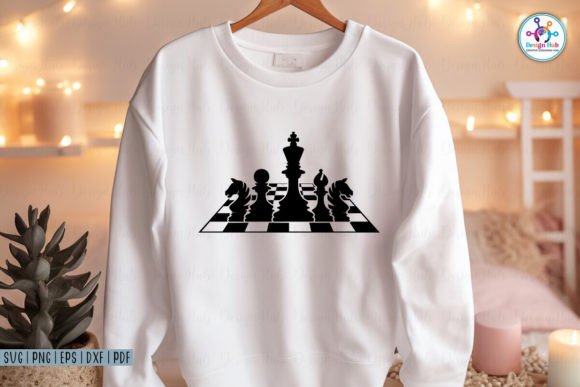
When I first opened the Chess SVG file to prepare for a client project, my initial reaction wasn't about the technical specs or the list of included formats. It was about the mood. There is something inherently strategic and timeless about chess that translates surprisingly well into textile art. The design immediately felt like it belonged on a sturdy canvas tote bag or a classic cotton sweatshirt rather than a flimsy piece of fabric. As someone who has reviewed countless digital assets for both personal hobbies and commercial ventures, I look for designs that offer more than just a pretty image; they need structural integrity when stitched.
The visual personality of this design strikes a balance between modern minimalism and traditional elegance. The clean lines suggest a high level of detail that could easily get lost if not executed with care. In the world of machine embroidery design, clarity is king. If the lines are too thin or the spacing too tight, the threads will merge, turning a sharp geometric shape into a muddy blob. My first impression of Chess SVG was positive because the layout appears spacious enough to breathe, allowing the stitches to define the form without overwhelming the viewer.
Bringing the Design to Life: A Real Project Scenario
To truly understand how this asset performs, I decided to simulate a real-world scenario before committing to a final production run. Imagine you are an Etsy seller preparing a holiday collection for boutique shoppers. You want to create a line of personalized gifts featuring a "King's Gambit" theme. You choose a heavy-duty canvas tote bag as your base. This is where the versatility of the Chess SVG comes into play.
I tested the concept by mapping out the placement on a scrap piece of canvas. The design works exceptionally well as a central focal point on a tote bag. The symmetry of the chess motif draws the eye, creating a sense of order that customers love in handmade products. However, I had to consider the texture of the fabric. Canvas has a rough weave that can sometimes eat away at fine details. By adjusting the thread colors to include a high-contrast palette, such as deep navy against white canvas, the design maintained its definition. The result was a finished product that looked professional and expensive, elevating the perceived value of the item significantly.
This same logic applies to other custom apparel items. For a baby onesie, the design would need to be scaled down carefully. The smooth fabric of a baby garment allows for finer stitching, but the design must remain simple enough to avoid being scratchy or uncomfortable against delicate skin. The Chess SVG offers the flexibility to adapt to these different mediums, making it a valuable addition to any crafter's library of design assets.
Performance Across Different Textiles and Applications
One of the most critical aspects of evaluating an embroidery file is understanding where it shines and where it might struggle. The Chess SVG is robust, but no single design is perfect for every surface. When applied to a cap or hat, the curved surface presents a unique challenge. The tension of the hoop can distort straight lines, so the design needs to be positioned strategically to follow the natural curve of the brim. For a structured cap, the geometric nature of the chess pieces holds up well, maintaining their shape even under the pressure of the stitching process.
In contrast, using this design on stretchy fabrics like jersey t-shirts requires a different approach. While the design itself is static, the fabric moves. To ensure the finished product doesn't pucker after washing, a stabilizer is non-negotiable. I found that using a cut-away stabilizer provided the necessary support to keep the satin stitch areas flat and smooth. This attention to detail is what separates a amateur-looking job from a professional one that builds trust with buyers.
The design also excels in decorative accents. I envision it looking stunning on a kitchen towel or a pillow cover for a home office setup. The crisp lines of the chess theme fit perfectly into a modern or minimalist interior aesthetic. When used as an embroidered patch, the design provides a strong border that prevents fraying and gives the patch a polished edge. Whether you are selling small shop products or creating items for your own craft business, the ability to scale the Chess SVG from a tiny sticker decal to a large wall hanging adds immense versatility to your inventory.
Navigating Potential Pitfalls and Technical Considerations
Despite its strengths, there are specific scenarios where caution is required. Small hoop sizes can be tricky. If you attempt to stitch this design in a very small area, the density of the stitches might become too high, leading to thread breaks or a stiff, board-like feel on the fabric. It is crucial to review the stitch density before starting. If the design feels too crowded, consider simplifying the fill areas or reducing the number of layers.
Fabric texture plays a significant role in the final outcome. On textured fabrics like burlap or heavily woven denim, the fine details of the chess pieces might get obscured. In these cases, using a thicker thread or increasing the size of the design can help compensate for the rough surface. Conversely, on thin or sheer fabrics, the design might require additional backing to prevent the needle from pulling the material through. Always test the design on a scrap of the actual fabric you intend to use. This simple step can save hours of frustration and wasted materials.
Digital presentation is another area where the Chess SVG proves its worth. For sellers listing items on platforms like Etsy, having high-quality mockups is essential. The clean lines of the design translate beautifully into printable mockups, allowing you to showcase the potential of the product without physically stitching every variation. This helps attract buyers who appreciate the craftsmanship involved in commercial embroidery projects.
Essential Notes for the Practical Designer
Before you dive into your next embroidery project, here are a few practical tips to ensure success with this design. First, always inspect the small details. Zoom in on the digital file to check for any gaps or overlapping paths that might cause issues during digitization. Second, confirm the licensing terms. If you plan to sell finished items, ensure you have the right to do so commercially. Third, test thread color contrast. A design that looks good on a computer screen might lose impact if the thread color blends too much with the fabric.
Using proper stabilizer is perhaps the most important factor for consistency. Without it, even the best design can warp. Finally, compare light and dark fabric backgrounds. The Chess SVG likely relies on contrast to make its statement, so choosing the right background color is key to maximizing visual appeal. By following these steps, you can transform a simple digital file into a standout handmade product that customers will cherish.
Ultimately, the Chess SVG is more than just a graphic; it is a tool for creative expression. Whether you are a hobbyist looking to make a personalized gift or a seasoned entrepreneur expanding your craft business, this design offers a solid foundation for high-quality work. Its blend of strategy and style makes it a versatile choice for anyone looking to add a touch of sophistication to their embroidered creations.