Mommy Claus - Christmas SVG: A Designer's Real-World Review
As someone who has spent years stitching, designing, and reviewing embroidery files for everything from boutique branding to personalized baby gifts, I know that a pretty picture on a screen does not always translate to a beautiful stitched result. When I first opened the folder for Mommy Claus - Christmas SVG, my initial reaction was one of festive recognition. It is exactly the kind of design that catches an eye during the holiday rush, promising a quick way to add a personal touch to handmade goods. But before you download this into your machine or upload it to your Etsy shop, you need to understand how this file behaves in the real world.
The core appeal of Mommy Claus - Christmas SVG lies in its versatility as a digital asset. It is marketed under the Crafts and Graphics categories, which suggests it is built for makers who want flexibility. The package includes SVG, EPS, DXF, and PNG formats, giving you the freedom to use it in vector software like Illustrator or directly in embroidery digitizing tools. However, the true test of any embroidery design is not the file format, but how it handles the physical constraints of fabric and thread.
From Screen to Stitch: A Real Project Scenario
Let me walk you through a practical scenario. Imagine you are preparing for the holiday season with a small business focused on custom apparel. You have a client who wants a matching set of embroidered tote bags and aprons for a family gift. They specifically requested something cute but professional, not overly childish. This is where Mommy Claus - Christmas SVG enters the conversation.
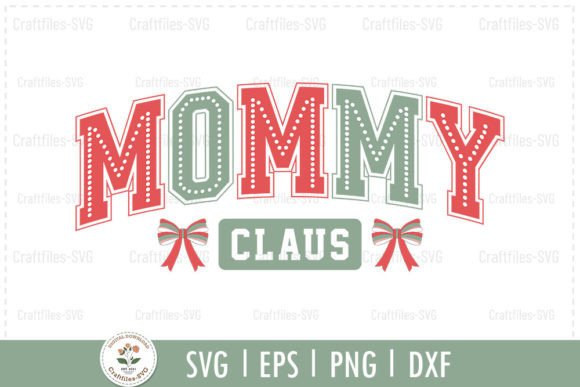
I decided to test this design on a heavy cotton canvas tote bag using a medium-density fill stitch approach. The first thing I noticed was the layout. The character design is compact enough to fit comfortably on the front panel of a tote without overwhelming the user, yet detailed enough to hold attention. When I ran the first test hoop, the satin stitch edges came out crisp, defining the outline of the figure beautifully against the dark fabric. The contrast between the red elements and the white trim worked exactly as intended, creating a visual pop that customers love to see in their finished products.
However, if you plan to use this for custom apparel like sweatshirts, you must consider the drape of the fabric. Sweatshirt material can shift during stitching, so securing the stabilizer properly is non-negotiable. In my experience, this design holds up well on stable fabrics, but the curves of the character require a bit of patience to ensure the thread tension doesn't cause puckering. For a personalized gift like a baby onesie, the smaller scale of the design might look even more charming, provided you use a softer stabilizer to keep the garment comfortable against delicate skin.
Where This Design Shines
This file is particularly effective for projects that benefit from a clear, bold graphic. If you are an Etsy seller looking to create holiday-themed merchandise, Mommy Claus - Christmas SVG offers a strong visual identity. It works exceptionally well on items that serve as statement pieces. Think about embroidered patches for denim jackets, pillow covers for the living room, or kitchen towels for a hostess gift. The design has a personality that feels both modern and nostalgic, making it suitable for holiday embroidery collections.
The ability to change colors is a massive plus for commercial use. Since the file is described as 100% color changeable, you can easily adapt the design to match specific brand palettes or customer requests. Need a navy blue version for corporate swag? No problem. Want a pastel pink version for a nursery? That is equally feasible. This flexibility allows you to maximize the utility of a single purchase across various small shop product lines, from digital embroidery files sold to other creators to finished goods sold to end consumers.
Areas Requiring Caution
While the design is robust, it is not without its limitations. There are specific situations where you should exercise extreme caution. First, avoid using this on highly textured or stretchy fabrics without significant stabilization. Materials like jersey knit or rough burlap can distort the stitch density, causing the details to blur. If you are working with thin fabric, the weight of the thread used in the fill areas might be too heavy, leading to a stiff hand feel that detracts from the quality of the finished product.
Another critical consideration is the size of the design relative to the hoop. If you attempt to stitch this on a very small surface, such as a baseball cap or a tiny patch, the fine details might get lost or become difficult to register accurately. Curved surfaces like caps present a challenge for any multi-layered design. You may need to adjust the placement or reduce the complexity slightly to ensure the image remains legible when viewed from different angles.
Furthermore, if you are planning to wash these items frequently, check the durability of the stitches. Dense fill areas can sometimes trap lint or wear down faster than simple running stitches. For items like embroidered patches that will undergo heavy friction, reinforcing the edges or using a higher thread count is advisable. Always remember that the longevity of your handmade product depends heavily on the materials you pair with the design.
Practical Notes for the Professional Designer
Before you commit to mass production, there are several steps every experienced maker should take. First and foremost, test the design on scrap fabric first. This is the golden rule of embroidery. Run a test stitch-out to inspect the thread colors and ensure the contrast looks right on your chosen background. What looks vibrant on a monitor might appear muddy on a dark grey fabric.
You should also review the stitch density within your digitizing software. While the file comes ready to go, tweaking the density can save you time and thread. Confirm your hoop size matches the design dimensions to avoid unnecessary trimming or repositioning. Inspect the small details closely; sometimes, tiny elements can break off during the trimming process if they are too fine.
It is also wise to test the design in black and white mockups. This helps you visualize the value and clarity of the shapes without the distraction of color. Compare light and dark fabric backgrounds to ensure the design maintains its integrity across different product lines. Finally, double-check your licensing terms. Even though the file is labeled as editable, confirm whether you are allowed to sell the finished product or if there are restrictions on commercial embroidery usage. This protects your craft business from potential legal issues down the line.
In conclusion, Mommy Claus - Christmas SVG is a solid addition to any designer's library, especially for those looking to capitalize on the holiday market. It strikes a balance between charm and professionalism that appeals to a wide audience. Whether you are creating a tote bag design for a local fair or adding a festive touch to a sweatshirt embroidery collection, this file provides a reliable foundation. Just remember that the magic happens in the execution, so take the time to prep your fabrics and stabilize your hoops correctly. With careful planning, this design can elevate your brand consistency and drive engagement among buyers looking for unique, high-quality design assets.